



With their long ears, soulful eyes, short legs, and unmistakable expression, Basset Hounds are one of the most recognizable dog breeds around. But there’s much more to these lovable hounds than their laid-back looks.
Basset Hounds are scent-driven dogs with an independent streak, a loyal nature, and a serious appreciation for a comfortable place to nap. They can make wonderful companions for families and individuals, but prospective owners should also be prepared for shedding, drooling, patient training, regular ear care, and careful weight management.
Thinking about bringing a Basset Hound home? Here’s what you should know about their temperament, size, exercise needs, grooming, health, and everyday life.
Basset Hound at a Glance
Trait | Basset Hound |
|---|---|
Breed Group | Hound |
Height | Up to 15 inches |
Weight | About 40–65 pounds |
Temperament | Patient, low-key, devoted, independent |
Exercise Needs | Moderate |
Grooming Needs | Moderate |
Shedding | Regular |
Drooling | Yes |
Training | Can require patience |
Family-Friendly | Generally yes with proper socialization |
Best For | Families and owners comfortable with a scent-driven, independent dog |
Physical Traits of Basset Hounds: What to Expect
Whether you're considering adding a basset hound puppy to your wonderful family or you're already the proud parent of an adult basset hound, understanding their unique physical traits is essential. As one of the most recognizable dog breeds, the Basset Hound brings a blend of charm, tradition, and distinctive features that make them stand out from other dogs.
Built for Scent, Built for Comfort
Originally bred in France for tracking rabbits and small animals, the Basset Hound is a true scent hound—a cousin to the bloodhound—with an exceptional sense of scent and a low-to-the-ground build that makes tracking scents effortless.
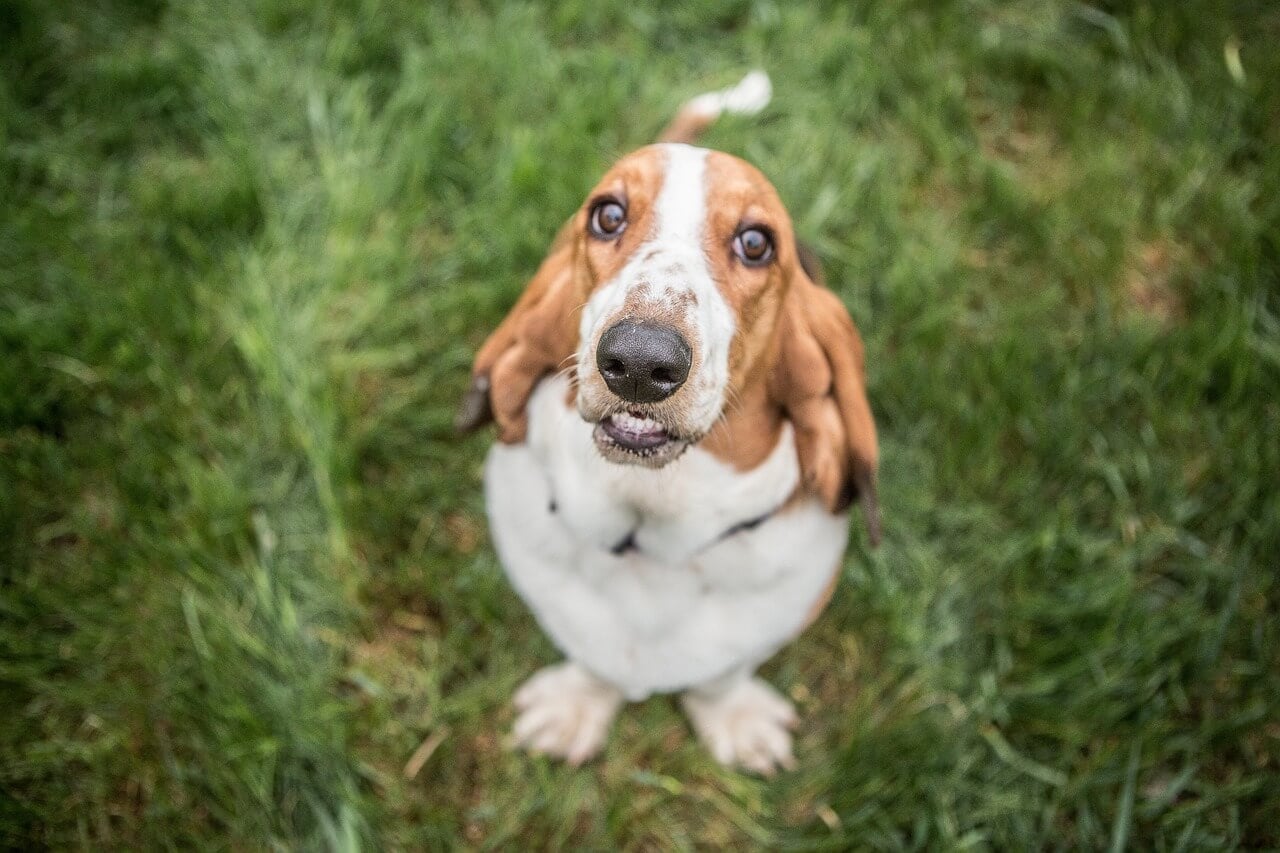
With their short stature and short legs, bassets have a unique, sturdy frame. Their long, droopy ears help trap scents, but they also require regular care to prevent common ear infections—a concern many owners of this breed share. Weekly brushing and gentle grooming keep their smooth coat healthy and manageable.
Gentle Giants with a Classic Look
While basset hound dogs are technically big dogs in body length and bone density, their short smooth frames make them deceptively compact. Their soulful eyes, droopy skin, and signature sad-sweet expression are famously seen in pop culture favorites like Fred Basset and the iconic Hush Puppies mascot.
This purebred dog is known for its low energy personality, but don’t be fooled—they still require regular daily exercise to stay fit and avoid health risks.
The Ideal Family Dog—with the Right Socialization
Bassets are gentle hounds with a lovable, calm temperament, making them a perfect match for children, other pets, and even other animals. When socialized properly, a basset hound puppy can grow into a loyal and affectionate companion who gets along well with nearly everyone.
No wonder the Basset Hound Club ranks them among the top dog breeds for families and many owners looking to find basset hounds that fit into a relaxed, happy household.
Basset Hound Personality: What Makes Them Unique
If you're looking for a laid-back, lovable hound dog with a big heart and even bigger ears, the Basset Hound might just be your perfect match. Whether you’re raising a playful basset hound puppy or living with a mellow adult basset hound, their personality is as unforgettable as their look.
Easygoing Yet Determined
Originally bred for tracking scents, Bassets are part of the elite group of scent hounds, known for their unwavering focus when following a trail. While their short legs and low energy demeanor give the impression of a couch potato, don’t underestimate their stubborn streak. Bassets are smart—sometimes too smart—and like many purebred dogs, they respond best to consistent training paired with tasty rewards.
The Ultimate Family Companion
Basset Hounds are known for being affectionate and gentle, especially around children and other pets. Their calm temperament makes them a great fit for homes with other dogs, rabbits, or even a mix of animals. Many owners join the Basset Hound Club just to connect with other fans of this wonderful breed.
They're social by nature, but proper socialization from an early age helps them become confident, well-mannered members of your wonderful family.
Emotionally In Tune with Their People
Ask any Basset owner, and they’ll tell you—these hounds are incredibly loyal. Whether it's a puppy following you from room to room or an adult basset curling up by your feet, they thrive on human companionship. Their expressive eyes and soulful stares (think Fred Basset) give away exactly how they're feeling.
However, their sensitive side also means they don't do well with harsh correction. Instead, use gentle training, encouragement, and rewards to build trust.
Independent but Not Aloof
While they're not as clingy as some other dog breeds, Bassets do enjoy being part of the family. They’re not fans of being left alone for too long and may vocalize their loneliness. Though calm indoors, they still need daily exercise to stay mentally and physically stimulated.
And yes—thanks to their hound dog instincts, if they catch an interesting scent, they may suddenly forget you're even there. That’s the scent hound life!

Health and Common Issues in Basset Hounds
While Basset Hounds are generally healthy dogs, their unique build and genetics make them prone to several health conditions. Whether you're raising a basset hound puppy or caring for an adult basset, staying informed about common health issues is essential for long-term wellness.
Built Low and Long: The Health Implications
The short legs and elongated spine that give the basset hound dog its iconic look also come with risks. Their short stature puts extra pressure on the back and joints, making them more susceptible to structural issues compared to other dogs and purebred dogs in general.
Common orthopedic conditions include:
Hip dysplasia – a misalignment of the hip joint common in big dogs
Patellar luxation – when the kneecap slips out of place
Intervertebral disc disease (IVDD) – spinal disc problems from their long body structure
Keeping your basset healthy means minimizing high-impact activities like jumping off furniture and encouraging gentle daily exercise to maintain a healthy weight.
Watch Those Ears and Eyes
Their trademark long ears, while adorable, are magnets for dirt, moisture, and bacteria. As a result, ear infections are one of the most common issues among bassets.
To reduce the risk:
Clean ears regularly with a gentle, vet-approved solution
Dry ears thoroughly after baths or playtime in wet environments
Check for redness, odor, or excessive scratching
Their droopy eyelids may also lead to eye irritations or conditions like entropion, which can affect their comfort and vision.
Sensitive Stomachs and Bloat Risk
Like many hound dogs, Bassets are prone to gastric dilatation volvulus (GDV)—commonly known as bloat. This serious and life-threatening condition causes the stomach to twist and fill with gas, cutting off circulation.
To help prevent GDV:
Feed your pup multiple small meals instead of one large one
Avoid vigorous activity right after eating
Consider using a slow-feeder bowl to reduce air swallowing
Providing high quality dog food, constant access to fresh water, and routine vet check-ups are key to supporting a healthy digestive system.
Skin, Coat & Dental Care
Your Basset’s smooth coat is relatively low-maintenance, but their skin folds can harbor bacteria if not cleaned regularly. Implement a consistent grooming routine that includes weekly brushing to remove loose hair and debris.
Don't forget about their teeth! Use specially formulated canine toothpaste to reduce plaque buildup and prevent periodontal disease—something many owners overlook.

Training Tips for Basset Hounds
Training a Basset Hound takes patience. They are smart but can be stubborn so positive reinforcement with treats and praise works best. Socialization at an early age is also good, to help them get used to other breeds, environments and people. House training may take a little longer but consistency is key.
Feeding a Basset Hound
The best diet for a Basset Hound depends on factors such as age, weight, activity level, body condition, and health. Choose a nutritionally complete diet appropriate for your dog's life stage and follow feeding guidance from your veterinarian or food manufacturer.
Because Bassets can be very food-motivated, portion control matters.
A few habits can help:
Measure meals instead of free-feeding.
Include training treats in daily calorie calculations.
Monitor your dog's body condition.
Adjust portions when activity levels change.
Keep fresh water available.
Ask your veterinarian about significant weight gain or loss.
If you're unsure how much your Basset should eat, your veterinarian can help you establish an appropriate feeding plan.
Is a Basset Hound Right for You?
A Basset Hound may be a good fit if you want a dog that is generally calm, social, devoted, and comfortable with a moderate amount of exercise.
You may especially enjoy living with a Basset if you're prepared for:
An independent personality
Patient and consistent training
Regular shedding
Some drooling
Routine ear care
Daily walks and sniffing time
Careful weight management
A dog that may consider your sofa community property
On the other hand, a Basset may not be the best choice if you want a highly obedient off-leash running partner, dislike drool and dog hair, or aren't prepared to stay consistent with grooming, training, and weight management.
Choosing a breed isn't about finding a “perfect” dog. It's about finding a dog whose needs, personality, and lifestyle are compatible with yours.
Conclusion
Owning a Basset Hound is a fulfilling experience. Known for their unique looks and lovable personalities, these scent hounds bring joy and companionship to any home. With proper care, a healthy diet, regular exercise, and regular grooming, your Basset Hound will be a loyal friend for over a decade. Their charming nature and expressive faces make every day a joy, making them one of the most cherished dog breeds in the world.