





If you have ever watched a dog leap into a lake without fear, you have seen the natural joy of water dogs. Some water dog breeds were originally bred to work in lakes, rivers, and even icy waters. Others simply enjoy swimming for fun.
For many dog owners in the United States, swimming is more than play. It is safe exercise, cooling relief in summer, and bonding time for the whole family. According to the American Kennel Club, swimming is low-impact exercise that supports joint health and builds muscle.
What Is a Water Dog?
A “water dog” is a breed that was bred to work in or around water. Many were trained to retrieve waterfowl, assist hunters, or even help fishermen with fishing nets. Some would herd fish toward nets or assist fishermen when tools fell overboard.
For example, the Portuguese Water Dog worked alongside fishermen in Europe. These dogs helped retrieve lost gear and even carried messages between boats. The Chesapeake Bay Retriever was developed in the United States to retrieve ducks from the cold waters of the Chesapeake Bay.
The AKC recognizes many of these breeds as sporting or working dogs. A purebred dog recognized by the AKC meets strict breed standards. However, being the only purebred dog does not decide swimming ability. Many mixed-breed dogs are strong swimmers too.
What Makes a Dog Good at Swimming
Not all dogs are natural swimmers. While most dogs can do a basic “doggy paddle,” not all are excellent swimmers.
Physical Traits
Many water dog breeds share these features:
-
Webbed feet to push water more efficiently
-
A water resistant coat to stay warm and dry faster
-
Strong shoulders and back legs
-
Good lung capacity for endurance
Breeds with very short legs or flat faces may struggle in deep water. They may tire quickly or have trouble keeping their nose above water.
Behavior Traits
Water dogs are often:
-
Confident in new spaces
-
Highly motivated by retrieving
-
Strong swimmers with high energy
The 15 Dogs That Love to Swim
Below are 15 of the most well-known water dog breeds, expanded with key details to help you compare size, personality, energy level, and care needs. While these breeds were originally bred for water work, remember that individual dogs may vary.
1. Labrador Retriever

-
Height: 21–24 inches
-
Weight: 55–80 pounds
-
Personality: Loyal, outgoing, eager to please
-
Activity Level: High
-
Shedding Factor: Moderate to High
-
Life Expectancy: 10–12 years
Labs hail from Newfoundland in Canada, where they worked with fishermen and duck hunters year-round. Their thick, otter-like tails help power them through water, while their dense, water resistant coat protects them in cold weather. One of the best water dogs, the Labrador Retriever has a muscular build and strong legs that make swimming look effortless. They love playing fetch in a lake or training for dock diving. Labs are adaptable and intelligent, which makes them easy to train. You’ll see them working as therapy dogs, service dogs, hunting partners, and beloved family pets.
2. Golden Retriever

-
Height: 21–24 inches
-
Weight: 55–75 pounds
-
Personality: Friendly, gentle, intelligent
-
Activity Level: High
-
Shedding Factor: Moderate to High
-
Life Expectancy: 10–12 years
The Golden Retriever was originally bred in Scotland for retrieving game birds. Their soft mouths allow them to carry ducks without damage. Goldens are strong swimmers with a natural love for water. Their thick double coat offers insulation in cooler lakes. They thrive in an active family setting and happily spend time swimming, hiking, or playing fetch. Known as one of the kindest dog breeds, they are also patient and highly trainable.
3. Portuguese Water Dog

-
Height: 17–23 inches
-
Weight: 35–60 pounds
-
Personality: Brave, energetic, loyal
-
Activity Level: High
-
Shedding Factor: Low
-
Life Expectancy: 11–13 years
The Portuguese Water Dog worked alongside fishermen in Europe. They helped herd fish into nets, retrieve broken gear, and even carry messages between boats. These athletic dogs are powerful swimmers with webbed feet and a curly coat that helps repel water. They are smart and need mental stimulation as much as physical exercise. Their famous working clip is similar to the poodle clip, designed to protect joints in cold water.
4. Chesapeake Bay Retriever

-
Height: 21–26 inches
-
Weight: 55–80 pounds
-
Personality: Confident, protective, determined
-
Activity Level: High
-
Shedding Factor: Moderate
-
Life Expectancy: 10–13 years
Developed along the Chesapeake Bay, this retriever was bred to retrieve ducks from icy waters. Their oily double coat protects them in cold water conditions. The Chesapeake Bay Retriever is one of the toughest waterfowl retrievers. They are strong swimmers with serious endurance. While loyal to their family, they can be more reserved than Labs or Goldens. They thrive with experienced owners who enjoy outdoor sports and hunting waterfowl.
5. Nova Scotia Duck Tolling Retriever

-
Height: 17–21 inches
-
Weight: 35–50 pounds
-
Personality: Alert, playful, intelligent
-
Activity Level: High
-
Shedding Factor: Moderate
-
Life Expectancy: 12–14 years
The Nova Scotia Duck Tolling Retriever—often shortened to Toller—was bred to lure ducks closer to shore before retrieving them. They are compact but powerful swimmers. Tollers love water games and retrieving activities. They do best with active owners who can meet their high energy needs.
6. Irish Water Spaniel

-
Height: 21–24 inches
-
Weight: 45–65 pounds
-
Personality: Curious, energetic, loyal
-
Activity Level: High
-
Shedding Factor: Low
-
Life Expectancy: 10–12 years
An ancient breed, the Irish Water Spaniel is known for its tight curly coat and strong swimming ability. Originally bred for retrieving waterfowl, they are natural athletes. They combine playfulness with intelligence and require consistent training.
7. American Water Spaniel

-
Height: 15–18 inches
-
Weight: 25–45 pounds
-
Personality: Friendly, eager, adaptable
-
Activity Level: Moderate to High
-
Shedding Factor: Moderate
-
Life Expectancy: 10–14 years
The American Water Spaniel is the official state dog of Wisconsin. Bred for hunting in marshy areas, they are compact yet strong swimmers. They are well suited for families who want a smaller sporting dog that still loves water adventures.
8. Spanish Water Dog
-
Height: 16–20 inches
-
Weight: 30–50 pounds
-
Personality: Intelligent, protective, hardworking
-
Activity Level: High
-
Shedding Factor: Low
-
Life Expectancy: 12–14 years
The Spanish Water Dog worked as both a herder and water retriever. In coastal areas, they helped herd fish and retrieve items from water. Their curly coat forms cords and helps shield them from harsh weather. These athletic dogs need structure and thrive with experienced handlers.
9. Standard Poodle

-
Height: Over 15 inches
-
Weight: 40–70 pounds
-
Personality: Smart, alert, active
-
Activity Level: High
-
Shedding Factor: Low
-
Life Expectancy: 10–18 years
The Standard Poodle was originally bred in Germany as a water retriever. The classic poodle clip protected joints and vital organs during cold water retrieving. Poodles are excellent swimmers and highly intelligent. They excel in obedience, agility, and dock diving sports.
10. Newfoundland

-
Height: 26–28 inches
-
Weight: 100–150 pounds
-
Personality: Gentle, patient, devoted
-
Activity Level: Moderate
-
Shedding Factor: High
-
Life Expectancy: 8–10 years
Often called gentle giants, Newfoundlands are famous for water rescues. Their large size, webbed feet, and powerful build make them strong swimmers. They have saved people who fell overboard and worked closely with fishermen in icy waters.
11. Curly Coated Retriever

-
Height: 23–27 inches
-
Weight: 60–95 pounds
-
Personality: Independent, confident
-
Activity Level: High
-
Shedding Factor: Low to Moderate
-
Life Expectancy: 10–12 years
The Curly Coated Retriever has one of the most water-resistant coats among retrievers. They were bred for retrieving game birds from both land and water. They are athletic and thrive with experienced, active owners.
12. Flat-Coated Retriever

-
Height: 22–24 inches
-
Weight: 60–70 pounds
-
Personality: Cheerful, playful, friendly
-
Activity Level: High
-
Shedding Factor: Moderate
-
Life Expectancy: 8–10 years
Known for their happy personality, Flat-Coated Retrievers love water and retrieving activities. They stay puppy-like for years and need regular exercise to stay balanced.
13. Boykin Spaniel

-
Height: 14–18 inches
-
Weight: 25–40 pounds
-
Personality: Friendly, energetic
-
Activity Level: High
-
Shedding Factor: Moderate
-
Life Expectancy: 10–15 years
Developed in South Carolina for hunting waterfowl, Boykin Spaniels are compact and strong swimmers. They are eager to work and bond closely with their families.
14. Irish Setter

-
Height: 25–27 inches
-
Weight: 60–70 pounds
-
Personality: Outgoing, affectionate
-
Activity Level: High
-
Shedding Factor: Moderate
-
Life Expectancy: 12–15 years
While not a classic water retriever, many Irish Setters love water and outdoor adventures. They are athletic dogs that enjoy running, swimming, and spending time with family.
15. French Water Dog

-
Height: 19–25 inches
-
Weight: 35–65 pounds
-
Personality: Gentle, smart, friendly
-
Activity Level: Moderate to High
-
Shedding Factor: Low
-
Life Expectancy: 12–14 years
The Barbet, often called the French Water Dog, is an old European water retriever. With its thick curly coat and strong swimming skills, this breed excels at retrieving birds from lakes and marshes. They are affectionate and thrive in active homes.
Safety Tips for Taking Your Dog Swimming
Swimming is fun and healthy for many water dog breeds, but safety always comes first. Even strong swimmers like the Labrador Retriever or Chesapeake Bay Retriever need supervision.
1. Check the Water First
Look at the water before your dog jumps in. Avoid lakes or ponds with green scum, foam, or a bad smell. These may contain harmful algal blooms. The CDC warns that blue-green algae can be deadly to dogs. Bring fresh water so your dog does not drink from the lake.


2. Start Slow
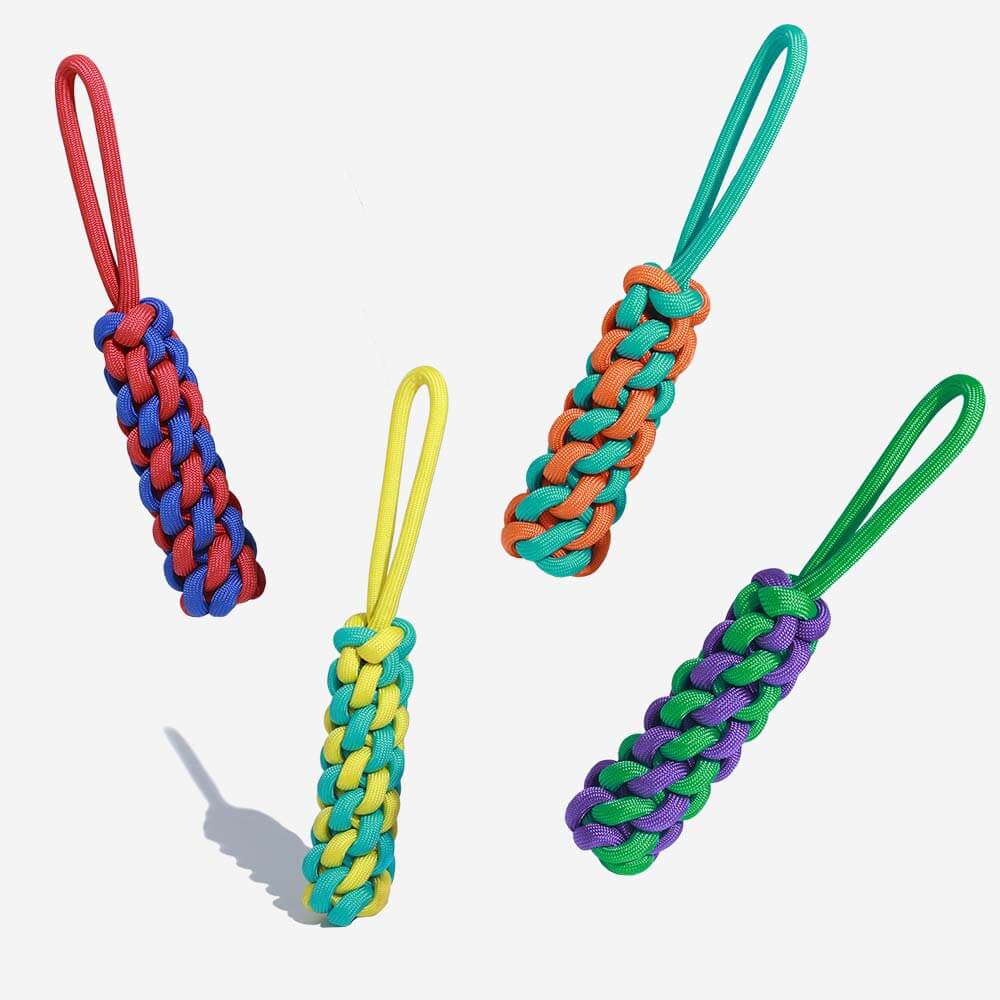
Begin in shallow water where your dog can stand. Never push or throw your dog in. Let them enter at their own pace. Keep first sessions short and positive. It’s also smart to bring a familiar dog toy for safe retrieving instead of sticks or unknown objects in the water.


3. Watch for Tiredness
Even excellent swimmers can get tired. If your dog’s head drops low or paddling slows, guide them back to shore. Use a life jacket for boating or rough water.
4. Limit Nonstop Fetch
Retrievers love chasing balls, but too much water swallowing can cause water intoxication. Take breaks and switch to land play if your dog becomes overly excited.
5. Rinse and Dry After
Rinse your dog with clean water after swimming to remove bacteria or salt. Dry your dog thoroughly with a clean dog towel, paying close attention to the ears. The Merck Veterinary Manual notes that trapped moisture can lead to ear infections. Once home, give your dog a calm place to rest, such as a washable dog bed, so they can fully dry and relax.


6. Know Your Dog’s Limits
Dogs with short legs, flat faces, or heavy bodies may struggle more. Respect your dog’s comfort level and never force swimming.
With simple steps and close supervision, swimming can stay safe, healthy, and fun for your dog.
What if My Dog Hates Water?
Not every dog will love swimming—and that is okay.
Some dogs with flat faces or heavy bodies may not feel comfortable in deep water. Others may have had a bad experience.
Start slow:
-
Let your dog explore near the lake.
-
Begin with ankle-deep water.
-
Reward calm behavior.
Never force a dog into water. Forced exposure can create fear that lasts for years.
If your dog still avoids water, offer alternatives. Many dogs love playing fetch on land just as much. Swimming is healthy, but it is not required for a happy life.
Choosing the Right Water Dog Breed for Your Lifestyle
Before choosing from the best water dogs, ask yourself:
-
Do you live near a lake or ocean?
-
Do you enjoy outdoor activities year-round?
-
Can you handle a high energy retriever?
A Labrador Retriever or Golden Retriever fits an active family who enjoys hiking and boating. A Chesapeake Bay Retriever may suit someone who enjoys hunting waterfowl in colder climates. If you want a smaller water dog, the American Water Spaniel may be a good match.
FAQs
What breed of dog is considered a water dog?
Breeds originally bred to retrieve waterfowl or assist fishermen—like the Labrador Retriever, Portuguese Water Dog, and Chesapeake Bay Retriever—are considered water dogs.
What are the best water dog breeds?
Some of the best water dogs include the Labrador Retriever, Golden Retriever, Chesapeake Bay Retriever, Portuguese Water Dog, and Nova Scotia Duck Tolling Retriever.
What's the kindest dog?
The Golden Retriever is often viewed as one of the kindest and most family-friendly breeds. However, temperament varies among individual dogs.
What breed is the water dog?
There is no single “water dog.” The term refers to several breeds that were bred for swimming and water work.
Conclusion
Water dog breeds have a long history of working alongside humans—retrieving ducks, helping with fishing nets, and even performing water rescues. Their physical traits and strong instincts make them natural swimmers. Still, safety and training matter more than breed alone. By understanding your dog’s body type, personality, and energy level, you can create safe and happy water experiences.

