




Teaching your dog to fetch sounds simple, but many dog owners quickly find it is not always easy. Some dogs love to chase balls but will not bring them back. Others grab a toy and run away. The good news is that any dog can learn to play fetch with the right training and a little patience. In this guide, you will learn how to teach your dog to fetch step by step. Whether you have a puppy, a young dog, or an older dog, this method will help you build interest, improve recall, and turn fetch into a fun daily activity.
What is Fetch
Fetch is not just about throwing a ball and hoping your dog brings it back. It is a simple game made up of several small skills that your dog needs to learn.
A dog must learn to:
-
watch the toy
-
chase the object
-
pick it up with their mouth
-
turn and return to you
-
drop it when asked
Many dogs only understand part of this process. For example, a border collie may chase quickly but not drop the toy. Another dog may grab the toy but not come back. That is why teaching fetch in small steps works best. Once your dog understands each step, they will start to connect the full idea of fetch. Over time, your dog learns to retrieve the toy, carry it, and bring it back willingly.
What You Need Before You Start
Before you begin teaching fetch, you need a few simple things to set your dog up for success. Good preparation makes training easier and more fun for both you and your dog.
Here is what you need:
-
A fetch toy your dog likes, such as ball, soft toy, or tug toy.
-
Small treats or food rewards
-
A quiet space with few distractions
-
Short training sessions 5–10 minutes
-
A positive and patient attitude
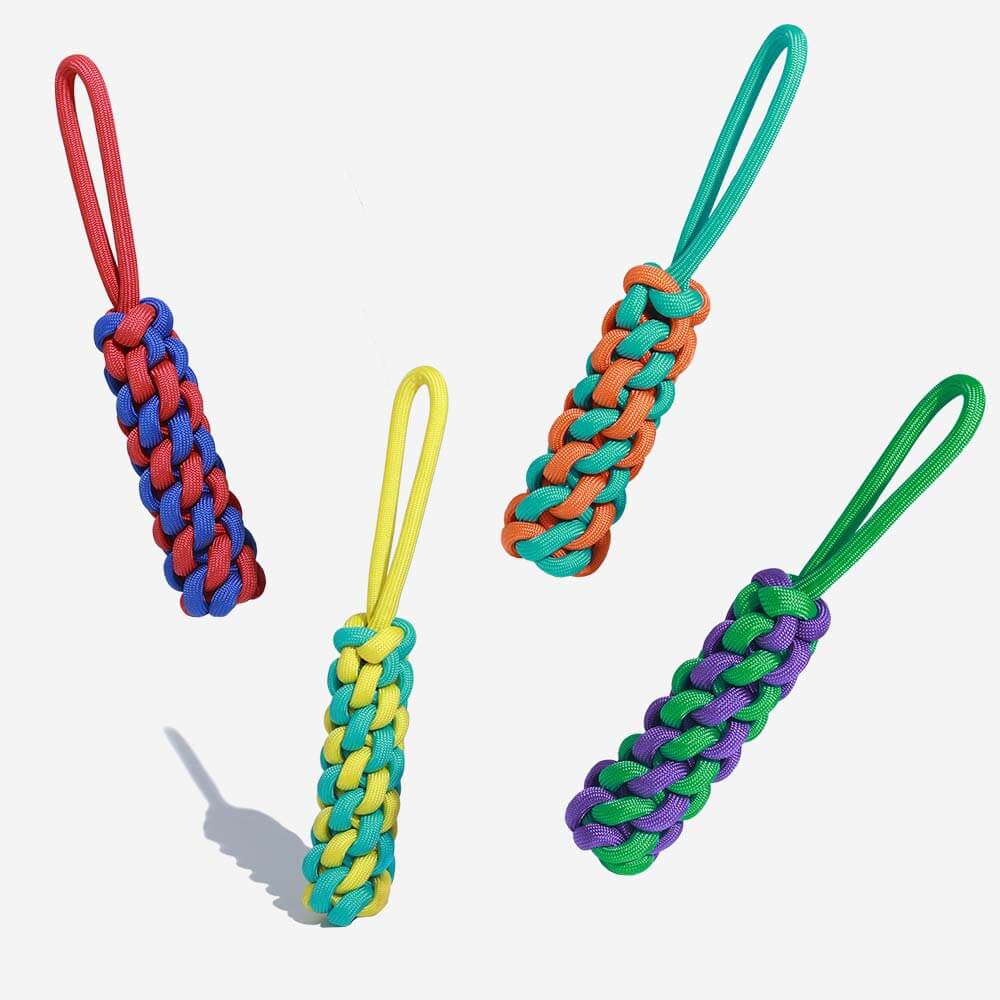


Choosing the right toy is important. Some dogs prefer balls, while others enjoy a tug toy or soft object they can carry easily. Let your dog show interest in the toy before you start throwing it.
Also, pick a calm place like your living room floor or a hallway. A short distance makes it easier for your dog to succeed early. As your dog learns, you can slowly increase distance.
The 5 Easy Steps to Teach Fetch
Step 1: Get Your Dog Interested in the Toy
Start by introducing the toy and building excitement. Move it along the ground, shake it gently, or use a happy voice. The goal is to make your dog want to chase and grab it. If your dog shows interest, praise them right away. This first step helps your dog connect the toy with fun.
Step 2: Reward Your Dog for Picking It Up
When your dog touches or picks up the toy, reward them immediately. Even a small action, like grabbing the toy for a second, is progress. This teaches your dog that holding the object leads to a reward.
Step 3: Toss the Toy a Short Distance
Start throwing the toy just a few feet away. A short toss makes it easier for your dog to succeed. Do not throw too far at the beginning. Encourage your dog to chase and pick it up. Keep the game simple and repeat often.
Step 4: Encourage Your Dog to Come Back
Once your dog grabs the toy, call them back in a happy voice. You can step backward or clap your hands to guide them toward you. UC Davis explains that recall improves when dogs associate coming back with positive experiences.
Step 5: Teach the Drop Cue
When your dog returns, offer a treat and say a simple verbal cue like drop or give. When your dog drops the toy, reward them. Over time, your dog learns to bring the toy back and release it on command.
Repeat these steps in short sessions. With practice, your dog will start to fetch naturally and enthusiastically.
How to Teach a Puppy to Fetch
Teaching a puppy to fetch is often easier because young dogs are curious and eager to play. However, puppies have short attention spans, so you need to keep training simple and fun.
Start with soft toys that are easy for your puppy to carry. Avoid heavy balls or objects that are too large for their mouth. Begin by letting your puppy explore the toy and build interest.
Keep training sessions very short, just a few minutes at a time. Puppies learn best in quick, positive moments rather than long sessions. If your puppy gets tired or distracted, take a break.
Use lots of praise and rewards when your puppy picks up the toy or brings it closer. Even small progress matters.
How to Teach Fetch to a Dog That Won’t Bring the Toy Back
One common problem in dog fetch training is this: your dog loves to chase the toy, but won’t bring it back. This can feel frustrating, but it is very normal. The good news is you can fix it with the right steps.
First, reduce the distance. Start in a hallway or small space so your dog has fewer choices. When your dog grabs the fetch toy, gently call them back using a happy voice. You can even start moving backward to encourage them to follow you.
Another helpful method is the two toy game. Use two balls or a tug toy. When your dog picks up one toy, show the second toy and act excited. Most dogs will drop the first and come back for the next. This teaches your dog to return and keeps the game fun.
Avoid chasing your dog. That can turn fetch into a game of keep-away. Instead, reward the moment your dog brings the toy closer. With practice and patience, your dog learns that returning the toy leads to success.
Common Fetch Training Problems and How to Fix Them
My Dog Chases but Won’t Pick Up the Toy
Try a different object. Some dogs do not like certain textures. Encourage your dog to touch or grab the toy, then reward quickly.
My Dog Picks It Up but Runs Away
Do not chase your dog. Instead, move away and encourage them to follow. Use a treat or excited voice to guide them back.
My Dog Comes Back but Won’t Drop It
Teach a clear verbal cue like “drop.” Offer a treat and trade for the toy. Over time, your dog learns to release it on command.
My Dog Gets Bored Quickly
Keep training sessions short. End while your dog is still excited. This builds interest for the next session.
My Dog Gets Too Excited
Take breaks and slow the pace. A calm environment helps your dog focus better.
How Often Should You Practice?
Consistency is key when teaching fetch. Short, regular training sessions work best. Aim for 5 to 10 minutes per session, once or twice a day. Dogs learn faster with frequent practice. The AKC explains that repeated rewards help reinforce behavior and build habits over time:
Do not overtrain. Long sessions can make your dog tired or frustrated. Instead, keep it short and positive.
For example:
-
Practice in the morning for a few minutes
-
Take a break
-
Practice again later in the day
Over time, increase distance and difficulty as your dog improves. This steady pace helps your dog build confidence and stay engaged.
Is Fetch Good for Dogs?
Yes, fetch is a great activity for most dogs. It offers both physical and mental benefits.
Fetch helps with:
-
Exercise and energy release
-
Mental stimulation
-
Focus and attention
-
Strengthening your bond
From experience, dogs that play fetch regularly tend to be calmer at home. They have a healthy outlet for energy and enjoy the interaction with their owner. Fetch is also a simple way to train your dog without making it feel like work. It turns training into a fun game that builds trust and communication.
Fetch Safety Tips Every Dog Owner Should Know
While fetch is fun, safety is important. Follow these simple tips:
-
Use a suitable toy that is not too small or too hard
-
Avoid slippery floors to prevent injury
-
Do not throw too far or too high at first
-
Watch your dog for signs of fatigue
-
Take breaks during play
Avoid forcing your dog to continue if they seem tired. Also, do not use punishment if your dog makes mistakes. Positive reinforcement is safer and more effective.
How Long Does It Take to Teach a Dog to Fetch?
The time it takes depends on your dog. Some dogs learn quickly in a few sessions. Others may need days or weeks. Factors that affect learning include:
-
Age (puppy vs adult dog)
-
Breed and natural instincts
-
Interest in the toy
-
Consistency of training
The AKC notes that some dogs are naturally more inclined to fetch than others. From experience, most dogs show progress within a few days if training is consistent. The key is to stay patient and repeat small steps.
Conclusion
Teaching your dog to fetch takes a little patience, but it is a simple and rewarding process. By breaking the game into small steps, using positive reinforcement, and keeping training sessions short and fun, your dog can learn to chase, grab, and bring the toy back with confidence.