




Does your dog suddenly chase squirrels, birds, or even a neighbor’s cat on walks? That behavior is often linked to prey drive in dogs. For pet owners in the US, this can become a real safety concern. A prey driven dog may ignore commands, pull hard on the leash, or run into traffic. The goal of this article is simple: help you understand your dog’s behavior and learn how to manage it safely in modern life.

What Is Prey Drive in Dogs
Prey drive is a dog’s instinct to notice, chase, and sometimes catch moving objects. It is part of the predatory behavior all dogs inherited from wolves. The National Institute of Standards and Technology defines prey drive as a canine’s natural impulse to pursue and capture prey.
This behavior follows a pattern called the predatory sequence. It may include:
-
Scanning the surroundings
-
Staring or fixing eye contact
-
Stalking slowly
-
Chasing fast
-
Grabbing or biting
-
Shaking or killing the target
Not all dogs complete the full prey drive sequence. For example, herding breeds like Border Collies may chase and herd but not bite. Retrievers may chase and retrieve but not harm the object.
Signs of Prey Drive in Dogs
Recognizing the signs of prey drive can help you manage your dog better. A dog with a strong prey drive often reacts quickly to moving objects like squirrels, rabbits, birds, or even fast-moving children.
Common signs include:
-
Intense staring or locking on a target
-
Sudden silence and focus
-
Stalking or crouching low to the ground
-
Explosive chasing behavior
-
Ignoring commands during high excitement
-
Grabbing, biting, or shaking toys
VCA explains that many dogs will chase local wildlife, cars, or joggers, especially when they are highly aroused.

When Is Prey Drive a Problem
Prey drive becomes a problematic behavior when it creates risk or danger. While chasing is normal, it can lead to accidents or injuries in modern environments. Here are some red flags:
-
Your dog runs toward traffic or cars
-
Your dog cannot respond to recall commands
-
Your dog chases or harms small animals or other pets
-
Your dog becomes uncontrollable during walks
-
Your dog redirects and may bite in high excitement
The American Kennel Club warns that chasing cars can be dangerous for both dogs and humans.
Prey Drive vs Reactivity vs Aggression
Understanding the difference between these behaviors is critical for choosing the right training approach. Many dog owners confuse them, but they have different causes and solutions.
|
Behavior Type |
What It Means |
Common Triggers |
Typical Signs |
Key Risk Level |
Training Focus |
|---|---|---|---|---|---|
|
Prey Drive |
A natural instinct to chase and capture moving targets |
Moving objects like squirrels, rabbits, birds, cats, or even cars |
Staring, stalking, silent focus, sudden chase, grabbing or shaking |
Moderate to high |
Build self control, recall, and redirect to a healthy outlet like fetch |
|
Reactivity |
An overreaction to a stimulus, often due to excitement, frustration, or fear |
Other dogs, people, noises, or unfamiliar situations |
Barking, lunging, whining, pulling on leash |
Moderate |
Reduce arousal, increase distance, reward calm behavior |
|
Aggression |
Behavior intended to threaten or cause harm, often linked to fear, pain, or guarding |
Threats to resources, fear, pain, or stress |
Growling, snapping, biting, stiff body posture |
High |
Professional guidance, behavior modification, safety management |
Which Breeds Have a High Prey Drive
Some dog breeds are more likely to have a high prey drive due to their history. These dogs often react strongly to fast moving animals like squirrels, rabbits, birds, or even a cat in the yard.
Common examples include:
-
Terriers are strong instinct to hunt and kill small prey
-
Siberian Huskies is high energy and strong chase instinct
-
Sighthounds like Greyhounds, bred to chase moving targets
-
Beagles and hounds developed for tracking and hunting
-
Retrievers and spaniels chase and retrieve game
VCA notes that some breeds are more strongly motivated to chase due to their genetic background. A larger dog with strong prey drive can pose more risk to other animals, but even small dogs can chase or harm smaller pets.
Dog Breeds With a Low Prey Drive
Some dogs tend to have a lower prey drive, meaning they are less likely to chase or fixate on moving objects. These dogs are often bred more for companionship than hunting.
However, no dog is completely free from prey instincts. Even calm dogs may still chase a ball or react to local wildlife.
In general, lower prey drive is often seen in:
-
Some toy breeds
-
Dogs breed for close human interaction
Still, individual personality matters more than breed alone. A calm dog in one household may act differently in another environment.
How to Manage Prey Drive in Dogs
Managing prey drive in dogs is about control, safety, and structure. You are not trying to remove the instinct, you are learning how to guide it.
Use Management First
-
Always use a leash on walks
-
Avoid areas with heavy wildlife when possible
-
Use a fenced in area for safe play
-
Block window views if your dog fixates on animals outside
-
Use tools like a baby gate to separate from other pets
Create a Controlled Environment
Training works best in a controlled environment where your dog can stay calm and focused. Start indoors, then slowly add distractions.
Provide a Healthy Outlet
A prey driven dog still needs to chase and play. Give safe options like:
-
Fetch with a ball
-
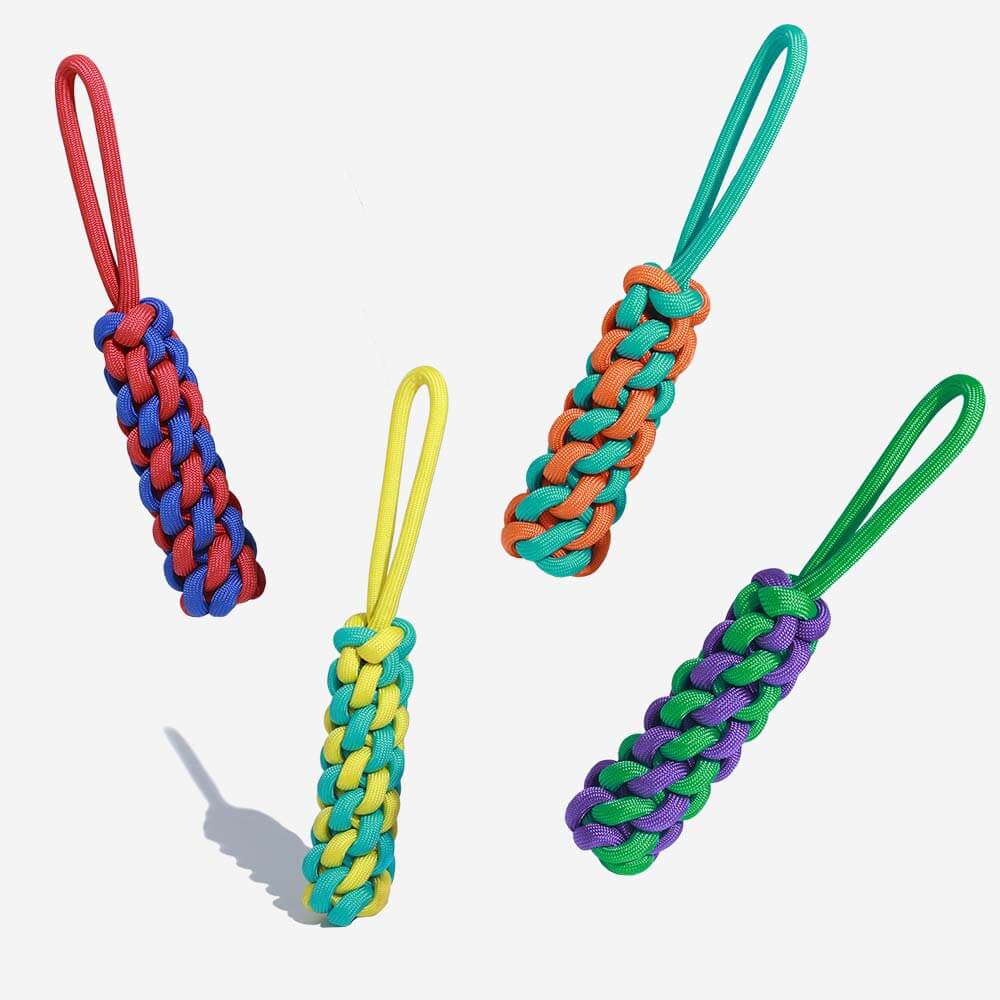
Tug toys
-
Flirt pole games
-
Agility or tracking activities
These activities help channel energy and reduce unwanted behavior.
How Can Prey Drive Be Reduced or Controlled
You cannot fully remove a dog’s prey drive, but you can reduce and control it over time.
Focus on Self Control
Teach your dog to pause and think before reacting:
-
Sit before chasing
-
Stay when excited
-
Eye contact before moving
Increase Distance From Triggers
Distance lowers arousal levels. Start far away from squirrels, birds, or other animals so your dog can stay calm.
Use Positive Training
Reward calm behavior with treats or praise. According to the Merck Veterinary Manual, reward based training improves behavior and reduces fear. Avoid tools like shock collars, which can increase stress and confusion.
Build Focus and Attention
Teach your dog to focus on you instead of the target. This is critical for real life situations like walks or park visits.
How Do I Train My Dog Not to Chase Animals
Training a dog not to chase requires time, patience, and consistency.
Step 1: Teach Basic Commands
Start with:
-
Recall come
-
Leave it
-
Sit and stay
These are essential for control and safety.
Step 2: Practice at a Distance
Work far away from triggers. If your dog is too close, they may be unable to focus or learn.
Step 3: Reward the Right Behavior
Reward your dog when they:
-
Notice the trigger but stay calm
-
Look at you instead of chasing
-
Respond to commands
Step 4: Redirect the Energy
Use toys, treats, or games like fetch to redirect the desire to chase.
Step 5: Be Consistent
Training takes weeks or months. Many dogs need ongoing practice to maintain progress.
When to Get Help From a Vet
Sometimes prey drive becomes too difficult to manage alone. In these cases, getting help is the safest choice.
Seek Help If You Notice:
-
Your dog is unable to disengage from targets
-
Your dog has injured other animals
-
Your dog shows aggression during high excitement
-
Your dog ignores all commands
-
There is risk to people or pets
A vet can rule out medical issues and may refer you to a behavior specialist or trainer.
FAQs
How do I get rid of my dog's prey drive?
You usually cannot remove prey drive completely. It is a natural instinct. Instead, focus on training, management, and providing safe outlets like play and exercise.
What breed of dog has the highest prey drive?
Breeds like terriers, huskies, hounds, and herding breeds often have higher prey drive. However, individual dogs may vary.
What triggers a dog's prey drive?
Common triggers include moving objects such as squirrels, rabbits, birds, cats, and even cars or running children. Motion is the key stimulus.
How to know if a dog has a high prey drive?
Signs include intense staring, stalking, sudden chasing, ignoring commands, and strong focus on animals or movement.
Conclusion
Prey drive in dogs is a normal and important part of canine behavior. It comes from their history as hunters and is still present in many dogs today.
The goal is not to eliminate this instinct, but to understand, manage, and guide it safely. With the right training, environment, and tools, most dogs can learn to live safely in modern homes.