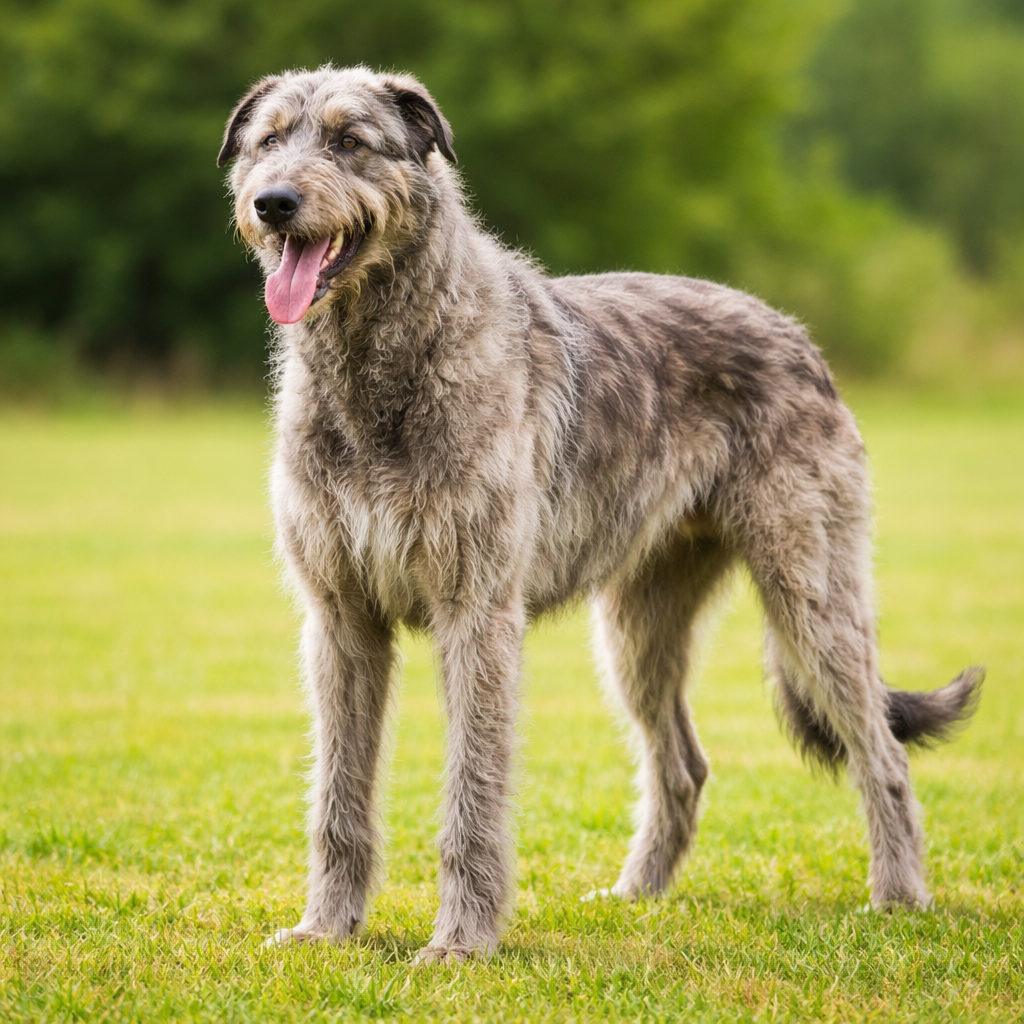




Affectionately called Newfies, Newfoundland dogs are giant working dogs known for their sweet temperament, impressive swimming ability, and devotion to their families. A full-grown Newfoundland can weigh well over 100 pounds, but behind that massive frame is a dog that is typically gentle, patient, and happiest when close to the people they love.
That said, living with a Newfoundland isn't for everyone. These dogs shed heavily, drool frequently, take up plenty of space, and require consistent grooming and thoughtful care.
Before you bring home a Newfoundland puppy, here's what you should know about their size, personality, lifespan, health, grooming needs, exercise requirements, and what everyday life with a Newfie is really like.
Quick Facts at a Glance
Newfoundland dogs are classified as large working dogs by the American Kennel Club and are recognized for their strength, patience, and water abilities.
-
Breed Group: Working dogs
-
Size: Large to giant breed
-
Average Weight: Male: 130–150 pounds, Female: 100–120 pounds
-
Height: About 26–28 inches at the shoulder
-
Life Expectancy: Around 9–10 years, which is common for giant breeds
-
Coat Type: Thick, water-resistant double coat with a dense undercoat and coarse outer coat
-
Common Colors: Black, brown, gray, and black and white
-
Shedding: Yes - Newfoundland shed year round, with heavier shedding twice a year during shedding season
-
Energy Level: Moderate. Newfoundland are calm indoors and not high-energy dogs, They enjoy long walks, swimming, and relaxed play rather than vigorous exercise
-
Trainability: High, Intelligent, eager to please, and responsive to positive training, Best trained with patience and praise due to their soft, sensitive nature
-
Temperament: Sweet, calm, gentle, patient - often called a gentle giant
-
Good With: Children, cats, other dogs, and family environments
-
Best For: Pet parents who have space, time for grooming, and experience with large dogs

How Big Do Newfoundland Dogs Get?
Newfoundlands are true giant-breed dogs. According to the American Kennel Club breed standard, an adult male Newfoundland averages about 28 inches tall and typically weighs 130–150 pounds. Adult females average around 26 inches tall and generally weigh 100–120 pounds.
That size affects almost every part of daily life with a Newfie. A Newfoundland needs enough room to move comfortably through your home, a vehicle that can safely accommodate a giant dog, appropriately sized collars and harnesses, and a large dog bed and supportive enough for its entire body.


When Is a Newfoundland Full-Grown?
Newfoundlands grow rapidly during puppyhood, but giant breeds can take longer to fully mature than smaller dogs. Your veterinarian can help you monitor your puppy's growth, weight, and body condition as they develop.
Avoid trying to make a Newfoundland puppy grow faster by overfeeding. Healthy, controlled growth is especially important in large- and giant-breed puppies.
History and Origin
The Newfoundland breed comes from the island of Newfoundland, Canada, where these dogs worked closely with fishermen as early as the 1700s. Their job included pulling carts, hauling fishing nets, guarding ships, and performing water rescue. Their webbed paws and partially webbed feet made them powerful swimmers, even in icy water.
Newfoundland dogs gained international fame after being brought to England, where their courage and loyalty were celebrated in paintings, poems, and stories. One famous example is the dog “Boatswain,” owned by poet Lord Byron, who praised the breed’s kindness and bravery. Modern Newfoundlands still excel in water rescue work, and many participate in organized water tests through breed clubs such as the Newfoundland Club of America.
What a Newfoundland Dog Looks Like
A Newfoundland’s appearance reflects its original purpose as a powerful working dog. These are massive, strong dogs with a broad head, deep chest, sturdy shoulders, and thick bones built for hard work. Their large size means they may accidentally knock over furniture—or even people—without meaning to.
The breed is best known for its thick double coat, which includes a soft undercoat for insulation and a coarse, water-resistant outer coat. This heavy coat protects them in cold weather but can be challenging in warm climates. The AKC notes that their coat must be brushed regularly to remove dead hair, prevent mats, and manage shedding.
Because of their size and coat, Newfoundlands need extra space indoors, durable furniture, and easy-to-clean surfaces. Prospective owners should also expect drool, fur, and muddy paws—this is not a breed for a neat freak.
Newfoundland Dog Temperament
The Newfoundland's temperament is one of the breed's defining characteristics. The American Kennel Club breed standard describes sweetness of temperament as the hallmark of the Newfoundland. Newfies are generally known for being:
-
Gentle
-
Affectionate
-
Patient
-
Intelligent
-
Devoted to their families
-
Calm around the home
-
Eager to be close to their people
Despite their imposing size, Newfoundlands aren't typically known for being sharp or aggressive dogs.
They were historically bred as working dogs capable of performing demanding tasks both on land and in water, including draft work and water rescue. That working background helps explain the combination of strength, intelligence, and willingness to cooperate that remains characteristic of the breed today.
Every dog is an individual, of course. Genetics, early socialization, training, environment, and previous experiences all influence behavior.
Are Newfoundland Dogs Good Family Dogs?
For the right household, yes—Newfoundlands can make excellent family dogs. Their patient, affectionate nature has made the breed particularly popular with families. Many well-socialized Newfies also live successfully with other dogs and household pets.
A 120-pound dog can accidentally knock over a toddler without meaning to. Children should therefore always be supervised around dogs, including calm and friendly Newfoundlands.
Families should also teach children how to interact respectfully with a dog—no climbing on them, pulling their ears, disturbing them while they eat, or treating them like a giant stuffed animal.
Are Newfoundlands Good With Other Dogs?
Many are. Proper socialization from puppy hood can help a Newfoundland learn how to interact appropriately with dogs of different sizes and personalities.
Can Newfoundlands Live With Cats?
Many Newfoundlands can live peacefully with cats, particularly when introduced carefully and raised around them. Individual temperament matters, so introductions should always be gradual and supervised.
Common Health Issues in Newfoundland Dogs
The average Newfoundland lifespan is commonly estimated at around 9–10 years, although individual dogs may live shorter or considerably longer lives. Like many giant breeds, Newfoundlands can be predisposed to certain health conditions.
Hip and Elbow Dysplasia: These orthopedic conditions involve abnormal joint development and can contribute to pain, lameness, and arthritis. Responsible breeding, appropriate puppy nutrition, healthy body condition, and veterinary care are important considerations.
Gastric Dilatation-Volvulus: GDV, sometimes called bloat, is a life-threatening emergency in which the stomach becomes distended and may twist. Signs can include a swollen abdomen, unsuccessful attempts to vomit, restlessness, excessive drooling, weakness, or collapse. If you own a Newfoundland, talk with your veterinarian about GDV risk factors and prevention strategies, including whether preventive gastropexy may be appropriate for your dog.
Heart Disease: Newfoundlands can be affected by cardiac conditions. Responsible breeders should perform recommended health screening on breeding dogs, and owners should maintain regular veterinary checkups.
Other Health Concerns: Other conditions may occur in the breed as well. Rather than trying to diagnose symptoms at home, establish a relationship with a veterinarian familiar with large- and giant-breed dogs.
Newfoundland Dog Daily Care
Daily care for Newfoundland dogs goes beyond basic feeding and walking. Their thick double coat needs regular attention to stay healthy and comfortable. Because Newfoundlands shed year round, brushing at least 2–3 times per week helps remove dead hair, prevent mats, and manage shedding season, which peaks twice a year.
Bathing should be occasional but thorough, especially since their water-resistant outer coat can trap dirt and debris. The American Kennel Club advises proper drying to prevent skin infections under the heavy coat.
Nutrition is another key part of care. A complete and balanced diet designed for a large breed helps protect joints and maintain a healthy weight. Veterinarians often recommend frequent meals instead of one large meal to lower bloat risk.
Because Newfoundlands drool and track in mud, pet parents should expect extra cleaning, towels, couch covers, and washable dog beds—this breed is not ideal for a neat freak.

Newfoundland Dog Exercise Needs
Despite their massive size, Newfoundland dogs do not need vigorous exercise all day. Instead, they do best with steady, low-impact activity that protects their joints while keeping them mentally engaged.
Most adult Newfoundlands benefit from long walks, light playtime, and daily mental stimulation such as training games or gentle fetch. Puppies should avoid excessive jumping or running on hard surfaces, as their joints are still developing.
Thanks to their webbed paws and natural instinct for swimming, many Newfoundlands excel as water rescue dogs. Swimming is an excellent low-impact exercise, especially in cold weather. However, US pet parents must be cautious of toxic algae blooms in lakes and ponds. The CDC warns that dogs can become seriously ill after exposure to contaminated water.
In warm climates, exercise should happen early morning or evening to avoid heat stress. Their heavy coat makes Newfies less tolerant of summer heat, so shade and water are essential.

How to Train a Newfoundland
Training should start early. Not because Newfoundlands are inherently difficult, but because an untrained 130-pound dog is much harder to manage than an untrained 20-pound puppy.
Focus early training on practical everyday skills, including:
-
Loose-leash walking
-
Come when called
-
Sit and stay
-
Polite greetings
-
Not jumping on people
-
Waiting at doors
-
Calm handling for grooming
-
Comfortable car travel
Newfoundlands are intelligent dogs and generally respond well to positive reinforcement. Reward behaviors you want with treats, praise, play, or another reward your dog values. Keep training consistent and involve the whole household so everyone follows the same rules.
Costs
Owning a Newfoundland requires financial planning. Dog ownership entails higher costs with giant breeds compared to smaller dogs.
-
Initial costs: A responsibly bred Newfoundland puppy in America often costs several thousand dollars. Adoption through rescue may be lower.
-
Food: Large portions of quality food are needed to maintain a balanced diet.
-
Vet care: Health screening, joint care, and emergency risks increase lifetime expenses.
-
Grooming & supplies: Brushes, grooming tools, large dog beds, toys, and furniture protection all add up.
Pet parents should expect higher yearly costs but also many years of companionship and loyalty in return.

Finding a Responsible Breeder or Rescue
Choosing the right breeder or rescue is one of the most important steps in owning a Newfoundland. A responsible breeder will openly share health testing results and prioritize temperament over appearance. The Newfoundland Club of America recommends breeders test for hips, elbows, heart disease, and cystinuria before breeding.
You can also search for breed-specific rescues through the AKC Rescue Network. Avoid breeders who refuse health records or sell puppies too young. Responsible breeders raise puppies in clean homes, focus on socialization, and remain a lifelong resource for owners.
Is a Newfoundland Dog Right for You?
Newfoundlands are wonderful dogs—but they're not the right dogs for everyone.
A Newfoundland May Be a Good Fit If You:
-
Want a gentle, affectionate family companion
-
Have room for a giant dog
-
Don't mind regular grooming
-
Can handle shedding and drool
-
Enjoy daily walks and outdoor activities
-
Have the budget for giant-breed care
-
Are committed to early training and socialization
-
Want a dog that enjoys being part of family life
Think Twice If You:
-
Want a low-shedding dog
-
Strongly dislike drool
-
Have very limited living space
-
Can't comfortably manage a 100-plus-pound dog
-
Live in extreme heat without reliable air conditioning
-
Want a very low-maintenance coat
-
Aren't prepared for higher food, veterinary, and supply costs
For the right family, living with a Newfoundland means sharing your home with an enormous, affectionate companion—and accepting that a little dog hair and slobber are probably going to be part of the deal.
FAQs
Are Newfoundlands good house dogs?
Yes. Despite their large size, Newfoundlands are calm indoors and well behaved when properly trained. They need space and regular walks but are not hyperactive.
What’s bigger, a Great Dane or a Newfoundland?
Great Danes are usually taller, but Newfoundlands are heavier and more massive overall. A full grown Newfoundland dog can weigh more than most Danes.
Do Newfoundland dogs bark a lot?
No. Newfoundlands are generally quiet dogs. They may bark to alert owners but are not known as frequent barkers.
What two breeds make a Newfoundland?
The Newfoundland is an established pure breed developed in Canada. While its exact origins include local working dogs and European breeds, it is not a modern mix.
Conclusion
Newfoundland dogs are powerful yet gentle, hardworking yet loving. Their history as water rescue working dogs, combined with a sweet temperament, makes them unique among large breeds. While they require grooming, space, and careful health management, they reward responsible owners with loyalty, patience, and deep affection.